New Site & Identity
I am excited to introduce my new website and online identity. This platform allows me to accurately represent who I am and what I do. My previous website focused primarily on my past motion graphics work, but I have since shifted my focus to software product development. This new site provides a more complete and comprehensive representation of my skills and abilities in this area. I hope you enjoy exploring it.
Identity
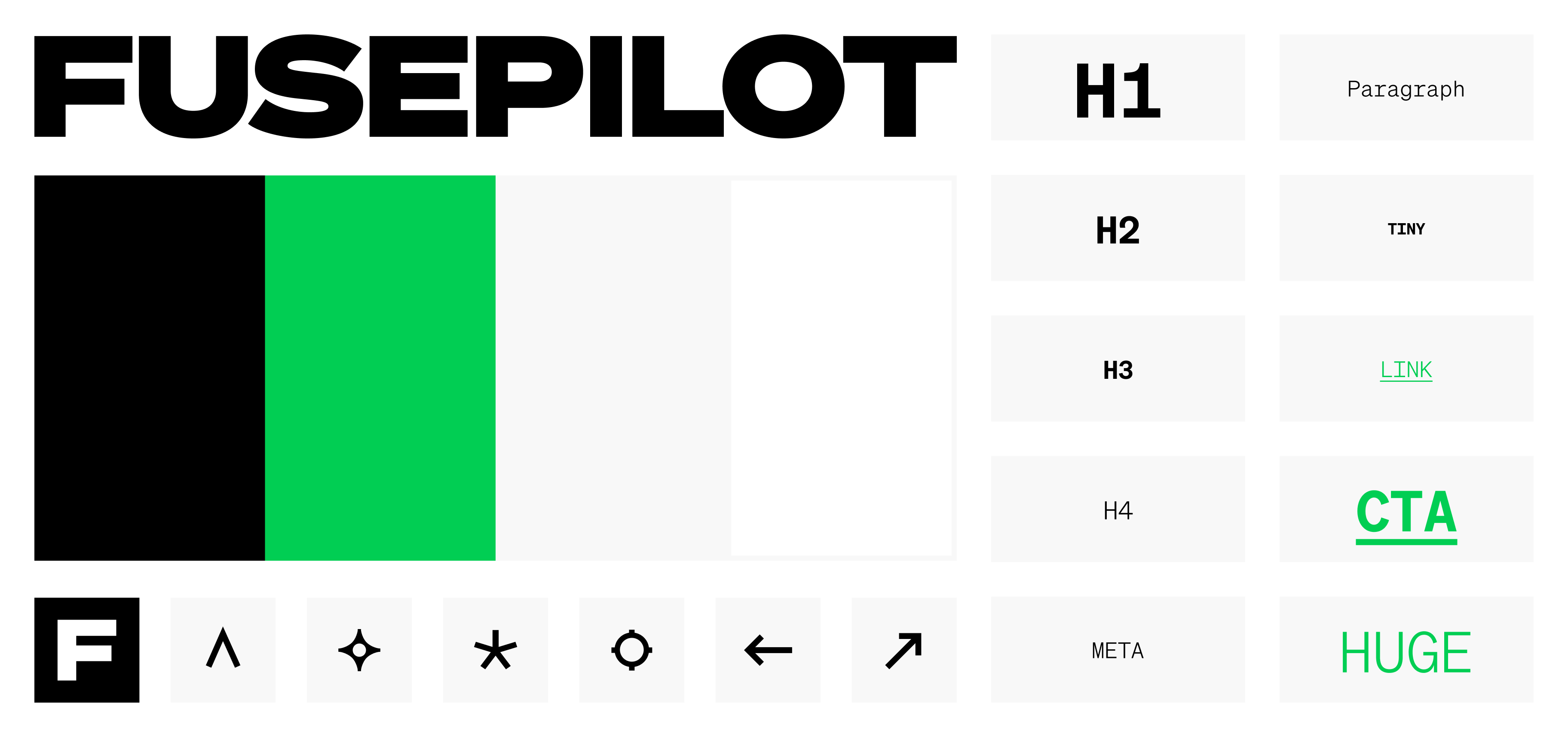
Sarah Stroschein helped update the Fusepilot brand with modern scalability and systematic considerations. The previous logo was created 10 years ago and didn’t scale well onto the web and other applications. She quickly narrowed in on a new bold wordmark that is versatile enough to fit into any design system of applications, plugins, and other products I’m developing.

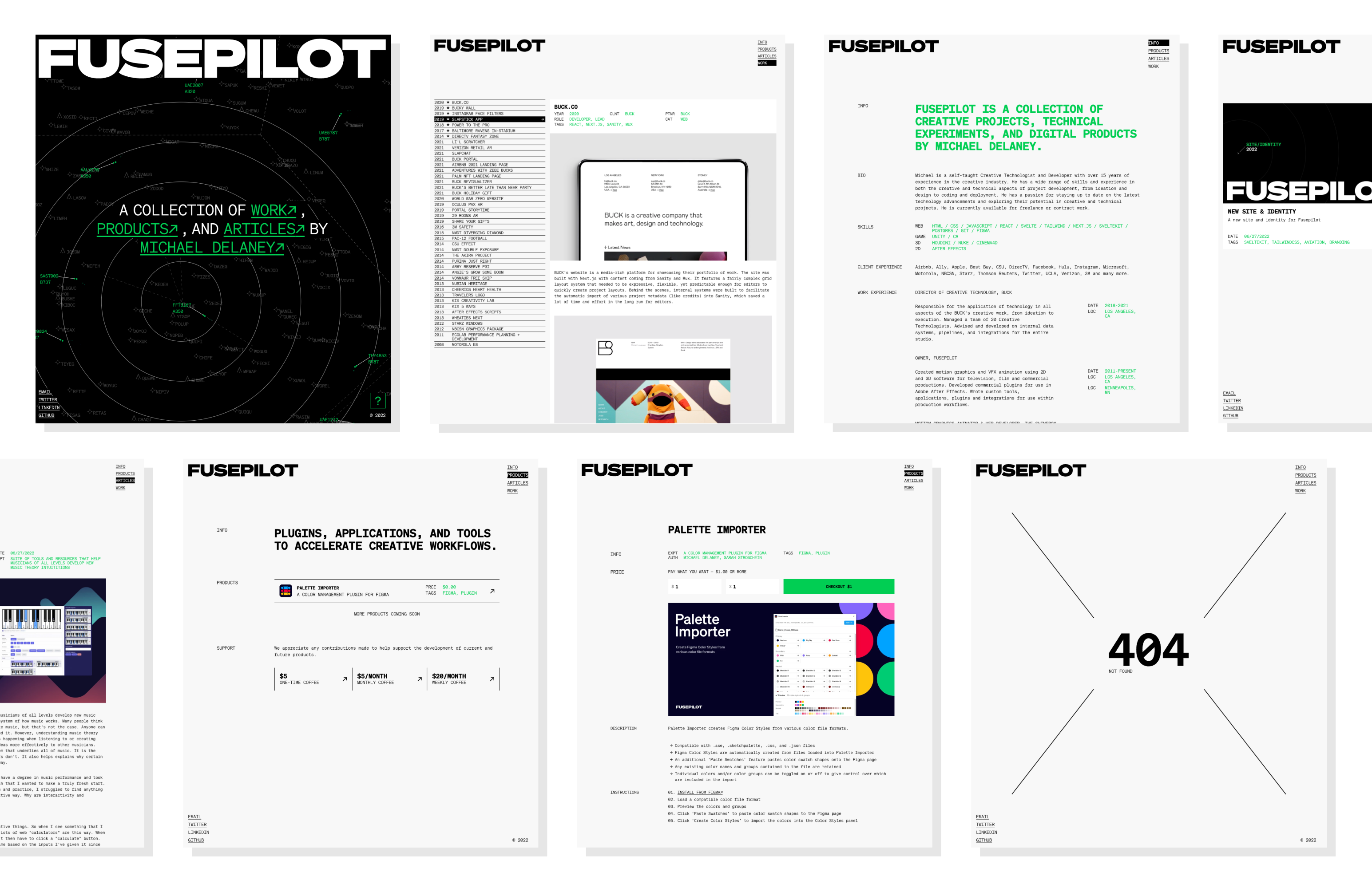
Once the identity was finished, I started on the site design. It was important to me to have an interesting landing page that would create intrigue and hint at both my creative technology background and data visualization interests.
Theme
I came up with Fusepilot in 2011 when I needed to name my new freelance motion graphics business. ‘Fuse’* is from my ambition to combine my many interests together to create new and interesting works and art. ‘Pilot’ came from my interest in aviation, one I’ve had since I was very young (I used to carry a six-pound aircraft encyclopedia to grade school every day. Just in case I would need* it.) As I was searching for ways to incorporate both of these elements into the site design, the terminals used at air traffic control centers came to mind. These are essential pieces of the U.S. aviation system that manage thousands of aircraft for large airspaces throughout the country. They’re unglamorously called Standard Terminal Automation Replacement Systems, STARS for short. They help controllers efficiently monitor and manage air traffic safely and reliably. The large center screen, known as the scope, has a wonderful low-fi, minimalistic design.
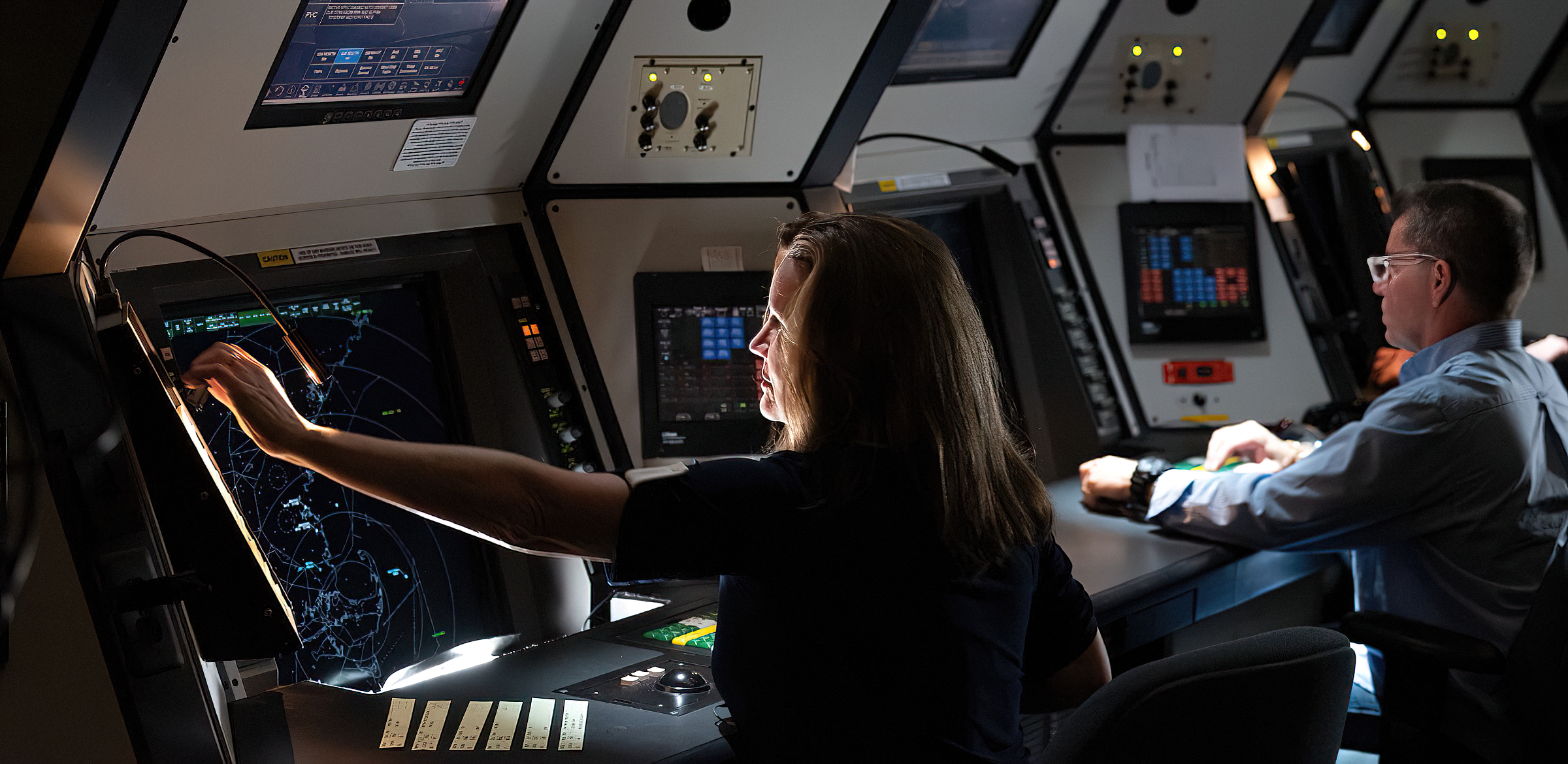
Side note: when looking at these and other mission-critical systems, I can’t help but think of the vast amounts of time and money spent on researching the user interfaces to best encapsulate and present information in the most optimal way for humans to use and interact with. But to the uninitiated, these interfaces look almost indecipherable or incomplete. Yet, it’s actually showing *exactly *what it needs to show when it needs to show it. To me, this says something about the bloated, non-user-friendly interfaces we see and put up with every day in our lives.
Having established the theme, we set out to create a design language that incorporated colors and elements from the scopes.
function
The main things the new site needed to do:
- Feature my Motion Graphics and 3D Animation projects
- Provide a central place to host the various types of products I’m developing, with store functionality that allows multiple payment structures
- Include a space to write down thoughts (that wasn’t Medium)
Landing Page
I had fun creating a simulated STARS scope to feature prominently on the landing page.
Some notable features of the scope:
- Aircraft flight management system that could probably power a standalone air traffic control simulator.
- Procedural terrain, obstacles, flight plans, airports, ILS approaches, operator sectors, and coastlines.
- Every viewer sees a unique variation.
- Made from scratch using Javascript and HTML Canvas. For the motivated, there’s some additional functionality that can be tinkered with. Instructions are hidden behind the pulsing question mark in the lower right corner.
Tech